AIHURO: Intelligent human-robot collaboration , 2023–2026
This project, with Jessica Lindblom from HTO, focuses on advancing safe and efficient collaboration between humans and robots in industrial environments. As automation becomes increasingly integrated into workplaces, developing effective interaction strategies and adaptive robotic systems is crucial for improving both productivity and worker well-being.
The research explores how robots can assist with physically demanding and repetitive tasks while ensuring seamless cooperation with human workers. Key challenges include enhancing robotic perception, improving real-time decision-making, and enabling robots to anticipate human actions. By addressing these issues, the project aims to contribute to safer and more sustainable workplaces.The project is funded by VINNOVA.

Patient Access to Health Records and Shared Health Data (DOME), Network Grant 2024–2028
This project, with Åsa Cajander, Shweta Premanandan, Magdalena Stadin, and Sofia Ouhbi from HTO, focuses on research into patient access to health records and shared health data in the context of increasing digitalization and the implementation of the European Health Data Space (EHDS). As healthcare systems across Europe adapt to new regulations and digital infrastructures, this research aims to address key challenges related to patient rights, data security, and digital inclusion.
By examining issues such as inequities in health record access, the absence of proxy access for caregivers, patient involvement in their records, and cybersecurity risks, the project seeks to generate new insights that will inform policy and practice at both national and European levels.
The project also builds on DOME’s strong Nordic and international collaborations, expanding partnerships with researchers in the UK, Germany, Bulgaria, Croatia, and Georgia. Additionally, it works closely with the Swedish eHealth Agency and other stakeholders to support Sweden’s implementation of EHDS. The network is funded by Forte

The Impact of Automation, Robotization and AI on the Work Environment of Airport Ground Staff (TARA), 2023-2026
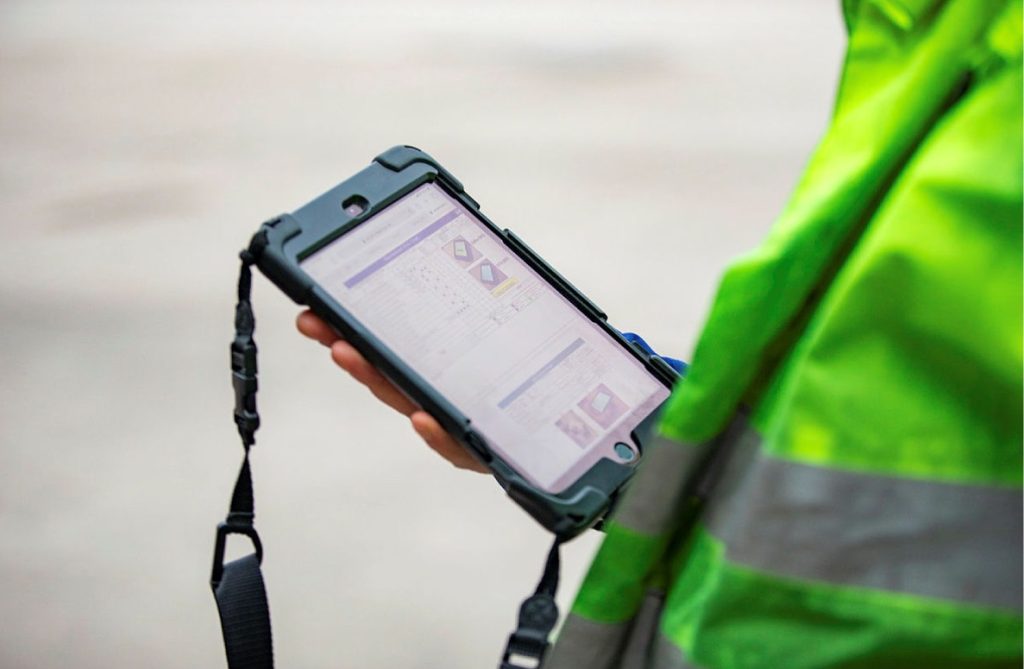
This project, with Åsa Cajander, Rebecca Cort, Jonathan Källbäcker, and Andreas Bergqvist, aims to investigate the impact of new technologies, such as automation, robotics, and AI, on the working environment of ground personnel in the aviation industry. By focusing on the experiences of loaders, airport technicians, and refuelling staff, the research seeks to fill critical knowledge gaps regarding the effects of these technologies on occupational health and safety. The project will also collaborate closely with the Transport Workers’ Union and Transport Employers’ Association to ensure the findings are used to proactively address potential workplace risks and create safer and more attractive working conditions in the aviation sector. Through a combination of field studies, interviews, surveys, and collaboration with industry stakeholders, this project aims to provide valuable insights and recommendations for the responsible implementation of new technologies in the aviation industry, focusing on improving the well-being of its workforce. The project is funded by AFA.
Work Engagement in Automation, Robotics and Ai (AROA), 2023-2027
In response to the alarming global trends in employee work engagement, this pioneering project with Åsa Cajander, Jessica Lindblom, Rebecca Cort, Jonathan Källbäcker, and Andreas Bergqvist is dedicated to exploring the profound impact of automation, robotics, and AI on the workforce. Recent Gallup reports have raised concerns about plummeting work engagement levels, emphasizing the need to address the positive inner state of employees deeply immersed in their work. The paradox of automation and AI is that human involvement becomes even more crucial as these technologies become more efficient. This project investigates how this integration affects work engagement and the socio-technical dynamics of the workplace. By answering research questions and developing a comprehensive framework called AWARE (AI@work and woRk Engagement), this initiative aims to bridge the gap in understanding the interplay between AI and work engagement. Through qualitative methods, field studies, interviews, and interdisciplinary collaboration, we aspire to provide invaluable insights for industries grappling with the challenges and opportunities of AI@work. The project is funded by AFA.

Enhancing Caregiver Preparedness and Well-being for Head and Neck Cancer Patients, (Carer eSupport), 2020-2027
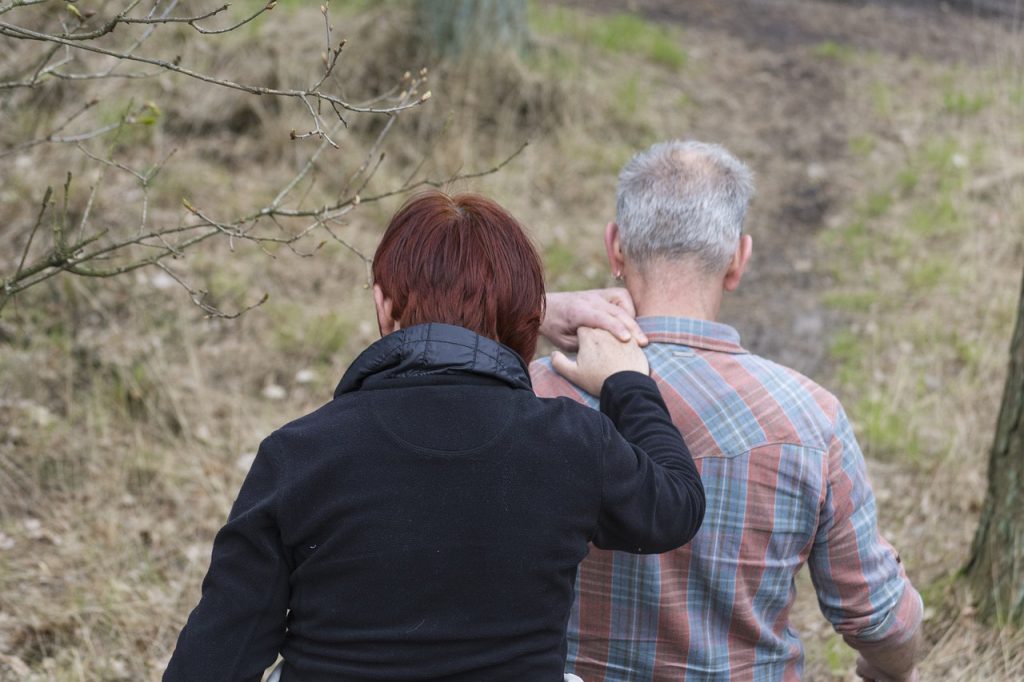
Awais Ahmad and Åsa Cajander from HTO work on this project with a multidisciplinary team from other departments. The project focuses on informal caregivers (ICs) assisting patients with head and neck cancer (HNC). These dedicated caregivers often face unmet needs, impacting their preparedness, burden, and health. We aim to evaluate the impact of internet-based support, “Carer eSupport,” through a randomized controlled trial (RCT), comparing it to standard care. We’re actively involving ICs in development, conducting focus group interviews and a feasibility study. Our goal is to enhance the well-being of ICs, reducing suffering for caregivers and patients. Join us in revolutionizing HNC caregiver support. The project is funded by Cancerfonden and The Swedish Research Council.
Relationship between software sustainability and software quality, 2023-2028
Jennifer Gross and Sofia Ouhbi are collaborating on a multi-disciplinary project focused on software sustainability and software quality. The sustainability of software systems presents a significant challenge for the IT community, given the growing adoption of software solutions in various fields. A crucial aspect in the design of sustainable software systems is the delivery of high-quality products to users without compromising their sustainability. The primary objective of this project is to identify novel approaches for designing software systems that strike an acceptable trade-off between software sustainability and quality-in-use (i.e., the quality perceived by end-users).

Connected Mental Health Care (ConnectMe), 2024-2028
The ConnectMe Project, led by Maria Hägglund, with researchers Åsa Cajander, Charlotte Blease, Sofia Ouhbi, Magdalena Stadin, and postdoctoral researcher Shweta Premanandan, aims to explore how digital mental health tools, such as video consultations, impact the work environment of clinicians in Sweden. This interdisciplinary project focuses on both the opportunities and challenges that these digital tools bring to mental healthcare settings. As the demand for flexible and accessible healthcare grows, ConnectMe investigates how these technologies affect clinicians’ job satisfaction, stress levels, and work-life balance. Using a combination of qualitative and quantitative methods, the project seeks to provide evidence-based recommendations for optimizing digital mental health services to support healthcare professionals and their patients more effectively.

Resilient Information Systems for and by Women Experiencing Homelessness (RESILIENCE-IS4ALL), 2025–2026
The RESILIENCE-IS4ALL project, led by Jenny Eriksson Lundström with researchers Sophie Gaber and Åsa Cajander, explores how digital health interventions can be co-designed with women experiencing homelessness to reduce psychological distress. This interdisciplinary collaboration combines information systems, interaction design, and health sciences to develop resilient technologies rooted in lived experience.
By placing the needs and knowledge of marginalised women at the centre, the project challenges dominant norms in digital development and highlights how societal systems must adapt to support those facing trauma and exclusion. Through participatory methods, RESILIENCE-IS4ALL seeks to reimagine digital health tools that enhance autonomy, competence, and connection—creating more inclusive and effective information systems in times of crisis.

DIGI-RISK: Workplace Violence in Digital Healthcare, 2025–2028
This project, with Åsa Cajander, Maral Babapour Chafi, and Magdalena Ramstedt Stadin from HTO, addresses the growing issue of threats and harassment against healthcare professionals in digital care environments such as video consultations and chat-based services. As digitalisation transforms healthcare work, new forms of workplace violence emerge—often with significant consequences for staff well-being, safety, and job satisfaction.
DIGI-RISK investigates how digital healthcare tools impact the psychosocial work environment, particularly in terms of psychological and gender-based violence. Through a combination of interviews, a national survey, and participatory workshops, the project will map risk factors and develop evidence-based guidelines for safer and more inclusive digital workplaces.
The project focuses on primary and specialist care as well as fully digital care services, and pays special attention to gendered and intersectional dimensions of digital threats. Results will be disseminated through academic publications, policy reports, and collaboration with stakeholders including unions, eHealth strategists, and private providers.
DIGI-RISK is funded by Forte under the national programme on working life research.

LärA-AI: Graduate School on Teachers’ Work Environment in the Age of GenAI, 2025-2032
The LärA-AI graduate school focuses on how generative AI is transforming teachers’ work, health, and professional learning in schools. Bringing together educational sciences, human–computer interaction, and computing, the graduate school investigates how AI changes teachers’ everyday tasks, workload and responsibilities, and what this means for sustainable work environments and high-quality teaching. Jessica Lindblom and Åsa Cajander participate in the research school from HTO.
The research is organised into three interrelated themes, each hosting several PhD projects. Using the Job Demands–Resources model, Job Crafting theory, curriculum theory and didactical modelling, socio-material perspectives, and professional theory, LärA-AI examines both how AI creates new demands and resources and how teachers actively reshape their roles, tasks, and professional identities in response.
LärA-AI is a national, cross-institutional initiative for teacher educators, with a structured programme of joint courses, thesis seminars, summer schools, and mobility. The graduate school is funded by The Swedish Research Council (Vetenskapsrådet). PhD students gain access to shared datasets, diverse methodological and theoretical training, and extensive co-supervision across universities. International guests, an advisory board, and open courses connect the graduate school to ongoing global research on AI in education and teachers’ work. Overall, LärA-AI aims to generate research-based knowledge that can strengthen teacher education and support a responsible, inclusive AI transformation of schools.

Service Prototyping as a Method for Shaping the Digital Work Environment, 2026-2028
This AFA-funded research project explores how service prototyping—the visualisation and simulation of future work situations—can be used as a proactive method to improve the digital work environment in healthcare and social care.
The project addresses a central challenge in digital transformation: new IT systems often affect not only workflows but also roles, social relations, and psychosocial well-being. These effects are typically recognised only after implementation, making adaptation difficult. Through collaborative research with healthcare professionals and change leaders, the project develops and evaluates a method and tool that enable organisations to visualise and analyse work environment effects before new systems are introduced.
Using a design research approach and mixed methods, the project includes four work packages focusing on mapping needs, developing a prototyping tool, creating a methodological guide, and testing the approach in real healthcare settings such as hospitals, elderly care, and ambulance services.
Expected outcomes include a validated open-source method and toolkit for service prototyping, designed to help change leaders, decision-makers, and occupational health experts anticipate and mitigate negative psychosocial impacts of digitalisation. The results will inform evidence-based implementation practices and contribute to more sustainable, human-centred digital transformations in the public sector.
The project is led by Johan Blomkvist (Linköping University) with Marcus Persson, Fredrik Bodell, Fredrik Karlsson, and Åsa Cajander from HTO as co-investigators.

PromptMe4Better
This EU funded project (Erasmus+ KA220-HED – Cooperation Partnership in Higher Education) aims to equip students and teachers in higher education with essential AI prompting skills, develop innovative online training modules and a user-friendly learning platform, promote inclusive and transversal AI competences for the future workforce, and foster critical thinking and problem-solving through AI-enhanced learning.
Running from October 2025 to September 2027, the project is coordinated by Universidade da Beira Interior (Portugal) in partnership with Uppsala University (Sweden), Université de Bordeaux (France), EDUJI (Turkey), EOLAS S.L. (Spain), and CENTOFORM SRL (Italy). Both Sofia Ouhbi and Åsa Cajander are part of the research team from Uppsala University.