Author: awais

Nailing My PhD Thesis

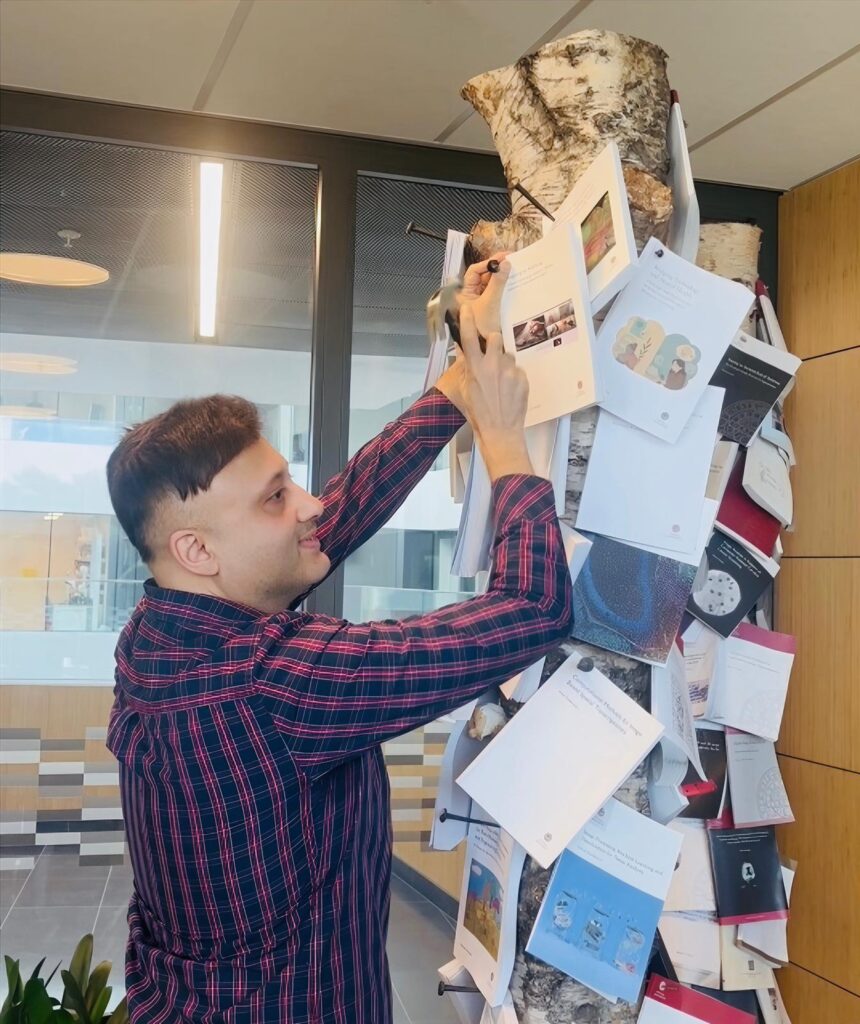
Surrounded by colleagues, friends, and family, I nailed my PhD thesis to the tree in our department yesterday. It was a simple act, but it represented years of hard work, challenges, and growth. In Scandinavia, this tradition marks the moment when the thesis becomes public, and the journey towards the defence enters its final stage. For me, it felt both grounding and uplifting.

My research focused on developing a user-friendly web-based application, Carer eSupport, designed to support informal caregivers of individuals with head and neck cancer. In Sweden, as in many other countries, cancer care has gradually shifted from hospitals to the home. Family members now carry much of the daily responsibility. These informal caregivers often step into complex roles with a little preparation. They manage medical tasks, emotional pressure, and practical coordination frequently while being excluded from healthcare processes.

This thesis provides guidelines for developing and evaluating web-based applications that support the well-being of informal caregivers. It also identifies factors that influence the acceptance and use of such applications. At its core, this work recognises caregivers as essential partners in cancer care and argues that they should not be left to manage their issues on their own.

The thesis further explores how technology can be designed to be accessible, understandable, and meaningful for vulnerable groups such as caregivers. Many caregivers have limited time, reduced energy, and varying levels of digital confidence. Designing for them requires clarity, simplicity, trust, and sensitivity to their emotional situation. A web-based application should not introduce additional complexity. Instead, it should fit into everyday life, strengthen preparedness for caregiving, and support both practical tasks and psychological needs.

Through a human-centred design and in close collaboration with caregivers and healthcare professionals, Carer eSupport was developed as an evidence-based digital intervention. The application aims not only to provide reliable information but also to support competence, autonomy, and a sense of connection. In doing so, it contributes to a broader understanding of how web-based applications can be designed to promote well-being in demanding and emotionally challenging life situations.

Looking back, this journey has been demanding, but deeply meaningful. I have learned that designing technology is not only about functionality. It is about listening carefully, understanding lived experiences, and creating something that makes daily life slightly more manageable for someone carrying heavy responsibilities.

My heartfelt thanks to everyone who made this possible. I feel deeply grateful, especially to my main supervisor, Professor Åsa Cajander, who guided me with clarity, patience, and trust throughout this journey.
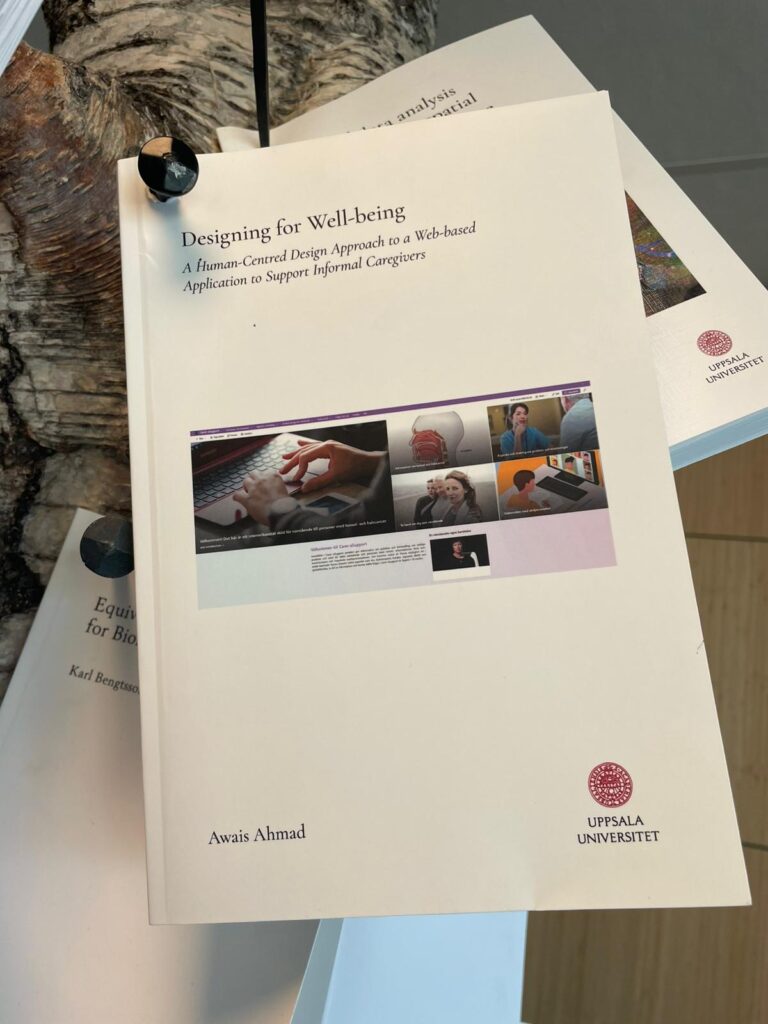
Defence: March 27, 2026, at 13:15
Place: 101195, Heinz-Otto Kreiss, Ångström, Lägerhyddsvägen 1, Uppsala

Thesis title: Designing for Well-being: A Human-Centred Design Approach to a Web-Based Application to Support Informal Caregivers
Download the thesis: https://uu.diva portal.org/smash/record.jsf?pid=diva2%3A2035324&dswid=4310
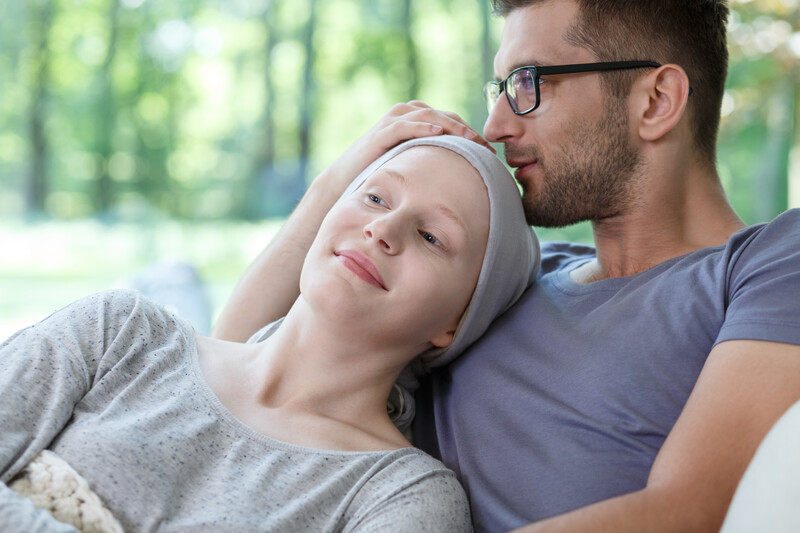
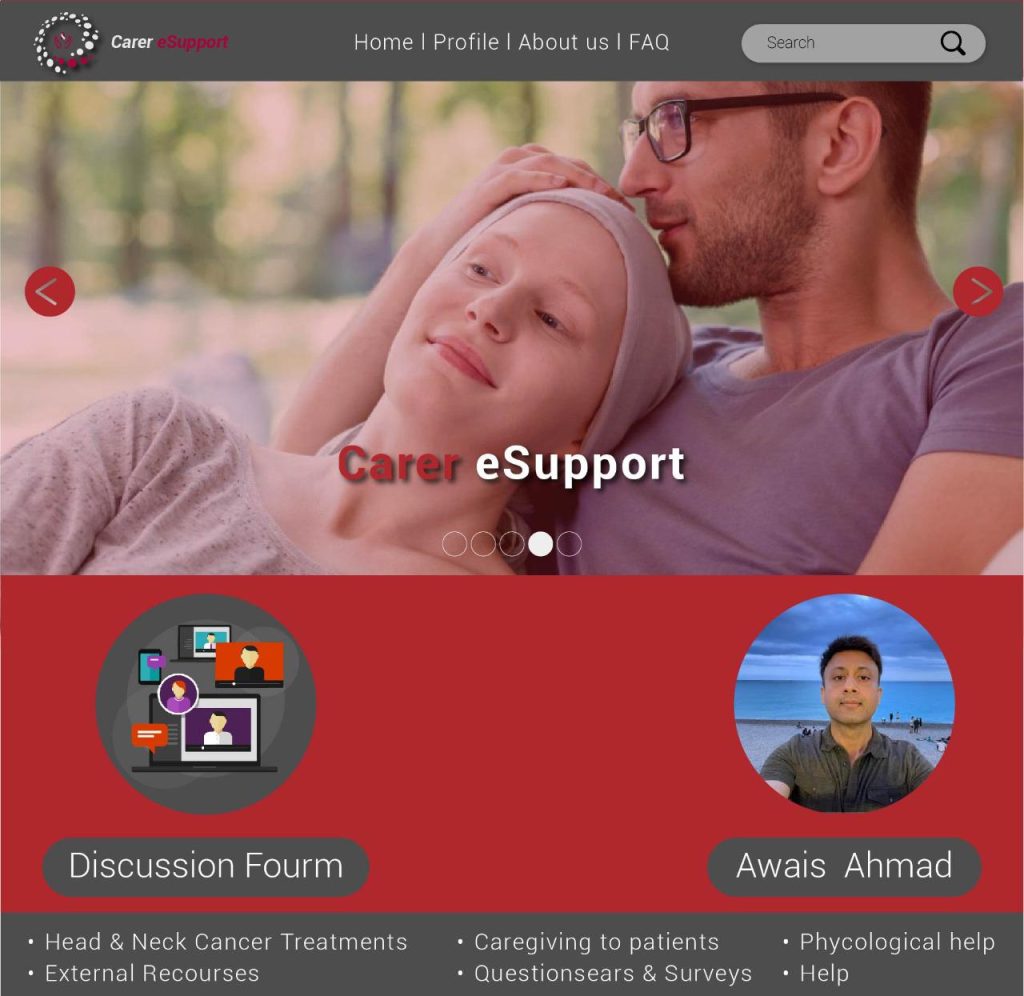
Empowering Unsung Heroes: Carer-eSupport – An Online Intervention for Caregivers of Head and Neck Cancer

Cancer is a devastating disease that affects not only the patient but also their informal caregivers, who play a crucial role in caring for them, especially in the home environment. The role of a caregiver can be physically and emotionally exhausting, leading to stress, anxiety, depression, and post-traumatic stress disorder. With limited resources and information available to informal caregivers, the situation becomes even more challenging. In this context, eHealth applications might help caregivers to cope with their caregiving responsibilities and enhance their well-being.

Carer-eSupport project

The Carer-eSupport project is a commendable effort to provide support to informal caregivers of head and neck cancer patients. I am part of the Carer-eSupport project as a PhD student. The project’s overall goal is to prepare caregivers for their caregiving role and decrease their caregiving burden who often struggle to balance their caregiving responsibilities with their personal and professional lives.

In this project, we first gathered user needs and preferences from caregivers and healthcare professionals to ensure that the intervention is user-friendly, effective and acceptable. Based on these findings, the first version of Carer-eSupport is developed, followed by feasibility studies to evaluate its effectiveness and acceptability. The results from these studies will inform the design of the second version of Carer-eSupport. Thereafter, it will be tested through a randomized controlled trial, which will provide robust evidence of the intervention’s effectiveness. The project’s study protocol, “Internet-based support for informal caregivers to individuals with head and neck cancer (Carer-eSupport): a study protocol for the development and feasibility testing of a complex online intervention,” provides more detailed information. By prioritizing the needs and well-being of caregivers, the Carer-eSupport project has the potential to make a significant impact on the lives of informal caregivers of head and neck cancer patients.

An initial prototype of Carer-eSupport

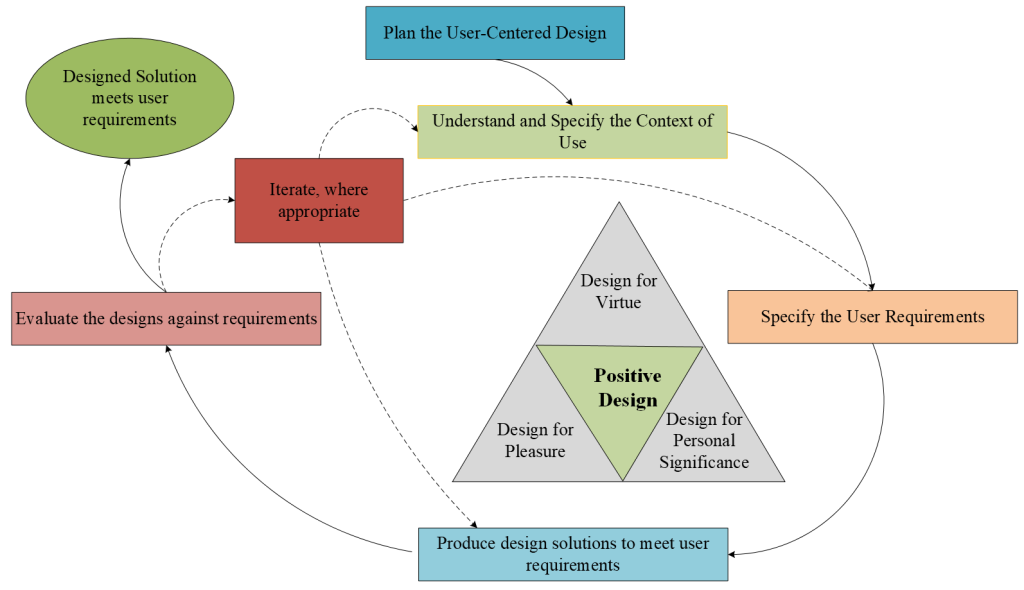
User-centred Positive Design (UCPD) framework

To support informal caregivers’ subjective well-being, we proposed a User-centred Positive Design (UCPD) framework that combines User-Centred Design (UCD) and Positive Design Framework (PDF) as shown in the figure below. UCD is a systematic approach that considers users and their needs in all steps of design and development. PDF, on the other hand, describes how design can enhance the subjective well-being of users. By focusing on the subjective well-being of users, the UCPD framework aims to create eHealth applications that not only solve the user’s problem but also have a long-lasting and positive impact on their well-being.

User-centred Positive Design Framework

In conclusion, the UCPD framework provides a theoretical framework for designing internet-based support systems that have a positive, holistic impact on users’ well-being. The Carer-eSupport project serves as an excellent example of how the UCPD framework can be applied in designing eHealth applications for informal caregivers of cancer patients. With further research, the UCPD framework has the potential to enhance the subjective well-being of users across various domains of healthcare.

Research Team

Our research team comprises researchers from different disciplines, including human-computer interaction (HCI), software engineering, cancer nursing, and medical research. Following are the team members.

Further readings